What is the Graduation model?
Extremely poor people face multiple challenge. A single intervention may not be enough to enable long term change. The Graduation Model is a suite of interventions designed to address the complex nature of extreme poverty. It was pioneered in Bangladesh in 2002 and has since spread across the globe. The model, adapted to the local context, often includes social protection to meet basic needs, training and assets for income generation, financial literacy and savings support, and social empowerment through community engagement and life skills training – all facilitated through coaching. This set of interventions has shown proven success in helping people move out of poverty for the long term. It empowers participants to develop sustainable livelihoods for upward economic mobility. They also become better integrated into society, develop social connections, improve their self-esteem, and establish active roles in their communities.
Graduation Model Overview
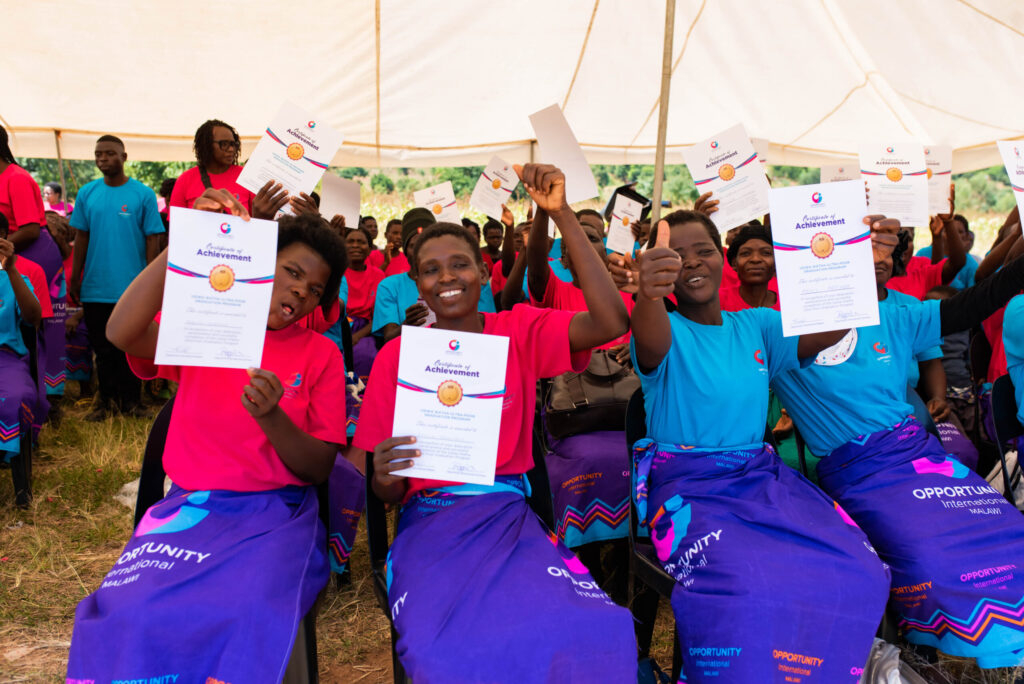
Discover the phased approach used to empower individuals toward economic self-sufficiency through targeted interventions and sustainable livelihood support.

Phase 1: Basic Needs
Connect participants with social protection to meet basic needs (cash transfer, basic food supplies., health services, etc.).

Phase 2: Income Generation
Provide essential assets and tailored capacity-building activities that enable participants to build sustainable income sources and enhance economic inclusion.

Phase 3: Financial Inclusion
Support participants in directly accessing convenient formal or informal savings facilities and financial services and financial literacy training.

Phase 4: Social Empowerment
Empower participants to increase their confidence, integrate into their community, and develop life skills through continuous mentoring and access to community resources.
The Graduation approach has proven effective in helping people escape ultrapoverty in the long term.
Economic Inclusion Initiatives Around the World
More than 100 organizations have adapted the approach in 50 different countries, reaching nearly 14 million people.
Data-Driven Impact Assessment
A rigorous randomized control trial conducted by the London School of Economics showed 95 percent of participants ‘graduated’ out of extreme poverty with significant benefits persisting 7 years after the program ended.
Comprehensive Household Support
Impacts on Graduation households typically include: increased assets (38-70%); increased incomes (30-40%); diversified sources of income; increased consumption (5-10%); savings (150%+); increased food security; increased access to healthcare and good hygiene practices; and increases in a range of social indicators, including school attendance for children, attendance of social events and confidence.
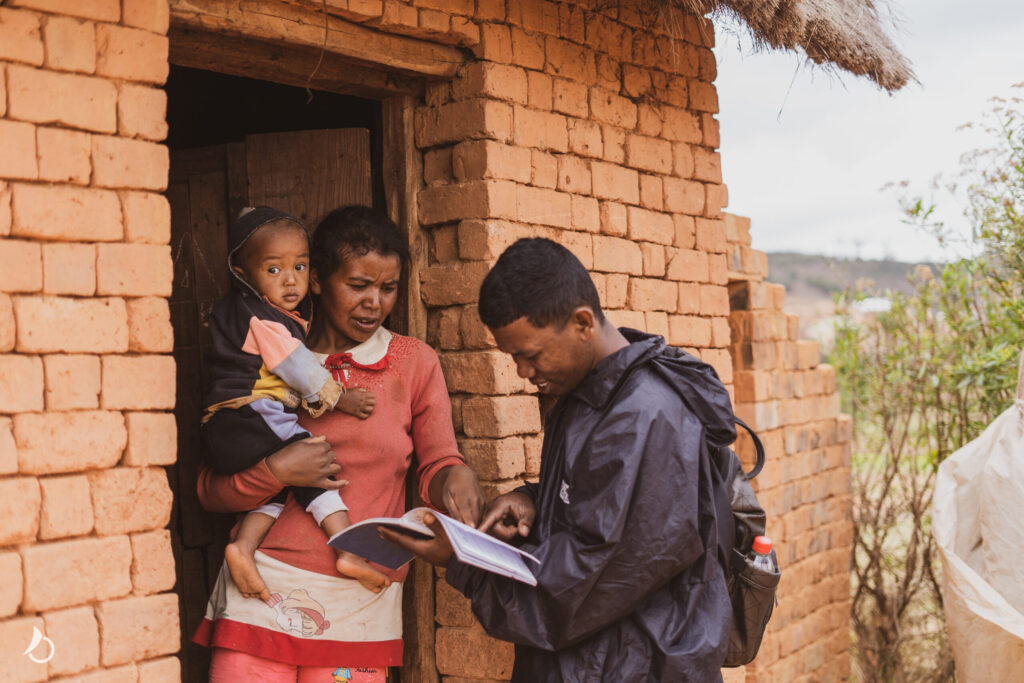
Impactful Outcomes from Graduation Model Participants
This section provides resources and evidence on the Graduation Model methodology. It also highlights resources from the End Ultrapoverty’s three focus areas: Climate, Coaching, and AI.
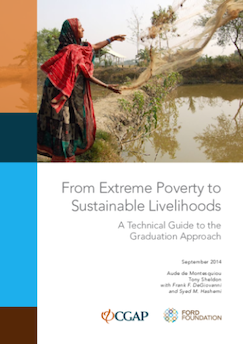
From Extreme Poverty to Sustainable Livelihoods: A Technical Guide to the Graduation Approach
The graduation approach focuses on helping the poorest and most vulnerable households develop sustainable livelihoods, increase incomes, and move out of extreme poverty. It consists of a carefully sequenced, multi-sectoral intervention comprising social assistance to ensure basic consumption, skills training, seed capital, and employment opportunities to jump-start an economic activity, financial education and access to savings, and mentoring to build confidence and reinforce skills.
BRAC’s UltraPoor Graduation Programme: An end to extreme poverty in our lifetime
BRAC pioneered the Graduation approach in 2002, when they recognised that there was a subset of people who were living in situations of poverty so entrenched that they could not even benefit from microfinance.